Your headshot is often the very first impression a potential client has of you. According to the National Association of Realtors, 97% of home buyers begin their search online, which means they see your face on Zillow, StreetEasy, your brokerage website, and social media long before they ever meet you in person. A professional, trustworthy headshot is not a vanity expense. It is a lead generation tool that works around the clock, and agents with professional headshots generate roughly 40% more click-throughs on their online profiles than those without.
This guide covers exactly what makes a great real estate headshot, the most common mistakes agents make, where to use your photo for maximum impact, and how to choose a photographer who gets it right.
What Makes a Great Agent Headshot
A strong real estate headshot communicates three things instantly: professionalism, approachability, and trustworthiness. Buyers and sellers are about to enter the largest financial transaction of their lives. They need to feel confident that the person representing them is competent and genuine.
Start with a natural, approachable expression. The best agent headshots feature a genuine smile, not a stiff, forced grin or an overly serious power pose. Research published in the Journal of Personality and Social Psychology found that people form trustworthiness judgments from faces in as little as 100 milliseconds. A warm, relaxed expression signals “I am someone you can work with.”
Your eyes should be sharp and in focus, looking directly at the camera. This creates a sense of connection with the viewer. Avoid looking off to the side or slightly above the lens, which makes you appear distracted or aloof. If you wear glasses, work with your photographer to minimize glare. Anti-reflective coated lenses help significantly.
The framing should be head and shoulders, with your face taking up roughly 60 to 70% of the frame. Full-body shots are for lifestyle branding pages, not for the headshot that goes on your business card, yard sign, and MLS profile.
Attire: Professional but Not Stuffy
What you wear in your headshot should match the market you serve and the clients you attract. In New York City, where the real estate market ranges from $300,000 co-ops to $30 million penthouses, there is no single “correct” look. The guiding principle is: dress one level above your typical client meeting attire.
For agents working in Brooklyn’s brownstone neighborhoods (Park Slope, Carroll Gardens, Cobble Hill), a polished but relaxed look works well. Think a tailored blazer over a clean button-down or blouse, without a tie. For agents in Manhattan’s luxury market, a more formal look (suit and tie, structured dress) signals that you operate at a high level.
Avoid loud patterns, bright colors, and trendy pieces that will date your photo quickly. Solid, muted colors photograph best. Navy, charcoal, black, soft white, and muted jewel tones are universally flattering on camera. Avoid pure white (it can blow out under studio lights) and pure black (it absorbs light and loses detail). According to image consultants who work with corporate professionals, navy blue is the single most trustworthy color in professional photography.
Keep jewelry and accessories minimal. Anything that draws attention away from your face is working against you. A simple watch, small earrings, or a wedding ring are fine. Statement necklaces, oversized bracelets, and flashy cufflinks are distracting.
Backgrounds and Settings That Work
The background of your headshot sets the context for your personal brand. You have three main options: studio backdrop, office setting, or outdoor location. Each sends a different message.
A solid color studio backdrop (grey, navy, or white) is the safest choice. It is clean, timeless, and keeps all the attention on your face. This style works on every platform, from MLS to business cards to yard signs. Roughly 65% of top-producing agents in NYC use a solid or lightly textured backdrop for their primary headshot.
An office or workspace setting communicates that you are established and professional. If you go this route, make sure the background is not cluttered. A bookshelf, a window with natural light, or a clean conference room wall all work. Avoid visible branding from your brokerage unless you are confident you will stay there long-term. Switching brokerages with branded photos means reshooting everything.
An outdoor NYC backdrop (a brownstone-lined street, a park, a skyline view) can differentiate you from agents who all look the same in their studio shots. Outdoor headshots feel more approachable and can reinforce your neighborhood expertise. The trade-off is that they are harder to control (weather, passersby, changing light) and may not look as polished on formal platforms. If you are building a personal brand that emphasizes local expertise, an outdoor shot can be a powerful choice.
Lighting: The Technical Foundation
Lighting is what separates a professional headshot from a smartphone selfie. Great headshot lighting is even, flattering, and free of harsh shadows. It should illuminate your face without creating dark pools under your eyes, nose, or chin.
The gold standard for headshot lighting is a modified butterfly or loop lighting setup, where the main light source is positioned slightly above and in front of you, with a fill light or reflector on the opposite side to soften shadows. This produces a three-dimensional, sculpted look while keeping the overall tone bright and clean.
Natural light can produce excellent headshots, but only under the right conditions. A north-facing window on an overcast day provides soft, even illumination that flatters nearly every skin tone. Direct sunlight, on the other hand, creates squinting, harsh shadows, and uneven exposure. If your photographer suggests an outdoor shoot, make sure they have a plan for diffusing or bouncing the light if conditions are not ideal.
Avoid on-camera flash at all costs. The flat, direct light from a pop-up flash or hot-shoe mounted flash eliminates depth, creates red-eye, and produces unflattering “deer in headlights” looks. Professional headshot photographers use off-camera strobes or continuous lights with modifiers (softboxes, umbrellas, beauty dishes) that shape the light precisely. This is one of the primary reasons a $200 to $500 professional session produces dramatically better results than any DIY attempt.
Common Headshot Mistakes That Kill Trust
The most damaging headshot mistake is also the most common: using an outdated photo. Nothing undermines trust faster than showing up to a listing appointment looking 10 or 15 years older than your headshot. Buyers and sellers notice immediately, and the unspoken message is, “This person is not being honest with me.”
Update your headshot every 2 to 3 years, or sooner if your appearance changes significantly (new hairstyle, glasses, weight change). NAR surveys indicate that nearly 30% of agents are using headshots that are more than five years old. Do not be one of them.
Other common mistakes include:
Cropped group photos. We have all seen it. The agent clearly cut themselves out of a wedding or holiday photo. The resolution is low, the lighting is wrong, and someone else’s shoulder is still visible at the edge. This tells potential clients that you did not care enough to invest in a proper photo.
Over-retouching. Professional retouching should remove temporary blemishes (a pimple, a stray hair, undereye circles from a rough night) while preserving your actual appearance. It should not reshape your jaw, smooth every wrinkle into oblivion, or make you look like a different person. Buyers will meet you eventually. Make sure you look like your photo.
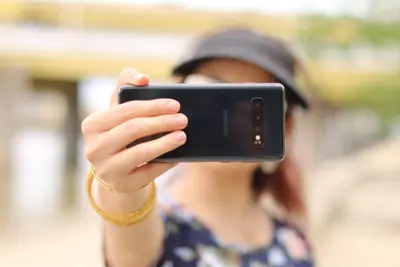
Selfies and phone photos. A front-facing phone camera distorts facial proportions (making your nose look larger and your ears smaller) and produces images that lack the depth and quality of a proper camera. Even the best smartphone cannot replicate professional lighting. The $200 to $500 investment in a real headshot pays for itself many times over.
Inconsistent photos across platforms. If your Zillow photo, your brokerage website photo, your Instagram profile, and your business card all show different images from different years, you look disorganized. Pick one great headshot and use it everywhere for brand consistency. For more on maintaining consistent branding across all your channels, read our guide on social media for real estate in 2026.
Where to Use Your Headshot for Maximum Impact
Your headshot should appear on every platform and piece of marketing material where potential clients might encounter you. The complete list is longer than most agents realize.
Online platforms: MLS listings, Zillow agent profile, StreetEasy agent page, Realtor.com, your brokerage website, your personal website, Google Business Profile, LinkedIn, Instagram, Facebook business page, and any other social media accounts you use professionally. According to Zillow research, agent profiles with professional headshots receive 71% more profile views than those without.
Print and physical materials: Business cards, listing presentations, property flyers, just-listed and just-sold postcards, door hangers, yard signs and directional signs, and any community sponsorship materials. Your face on a yard sign builds neighborhood recognition over time. Agents who consistently feature their headshot on yard signs report higher brand recall among homeowners in their farm areas.
Digital communications: Email signature (include a small, high-resolution version), email newsletters, digital listing presentations, and virtual tour landing pages. Every email you send is an opportunity to reinforce your professional image.
The key is consistency. Use the same photo everywhere. This builds recognition and trust. When a seller sees your face on a postcard, then again on StreetEasy, then again on a yard sign down the block, they start to feel like they already know you before you ever meet.
How to Choose the Right Headshot Photographer
Not all photographers are equal, and real estate headshots are a specific skill. Here is what to look for when selecting a photographer for your session.
First, review their portfolio specifically for headshots. A photographer who shoots beautiful weddings or landscapes may not excel at headshots. Look for consistent quality across different face shapes, skin tones, and ages. The lighting should be flattering in every image, not just a few.
Second, ask about the session itself. A good headshot photographer will spend 30 to 60 minutes with you, coaching you on posture, expression, and head angle. They should take 50 to 100 frames minimum, giving you a strong selection to choose from. Avoid photographers who promise 5 minutes and 10 shots. You cannot capture a genuine expression when you are rushed.
Third, ask what is included in the price. A standard headshot session in NYC runs between $200 and $500 and should include the session itself, basic retouching, and delivery of high-resolution digital files. Some photographers also provide cropped versions optimized for specific platforms (square for Instagram, horizontal for email signatures, vertical for business cards). These pre-cropped versions save you time and ensure your headshot looks sharp everywhere.
Fourth, look for a photographer who makes you feel comfortable. The best headshots come from sessions where the subject is relaxed and enjoying themselves. If a photographer’s style feels stiff or intimidating during your initial conversation, the photos will reflect that tension.
The ROI of a Professional Headshot
Let’s talk numbers. A professional headshot session costs $200 to $500 in New York City. The average buyer’s agent commission on a $750,000 Brooklyn sale is approximately $22,500 (at 3%). If your professional headshot helps you win even one additional client per year (which the 40% click-through increase data strongly suggests), the return on investment is roughly 45 to 112 times what you spent.
Think of it another way: you are spending $200 to $500 on a marketing asset that will be seen by thousands of potential clients over the next 2 to 3 years. That works out to fractions of a penny per impression. No other marketing investment comes close to that efficiency.
The agents who consistently win listing presentations, attract referrals, and build thriving practices understand that every touchpoint matters. Your headshot is often the first touchpoint. Make it count. And if you are ready to invest in professional photography that extends beyond headshots to your listings, explore our full suite of photography services built for New York City real estate professionals.