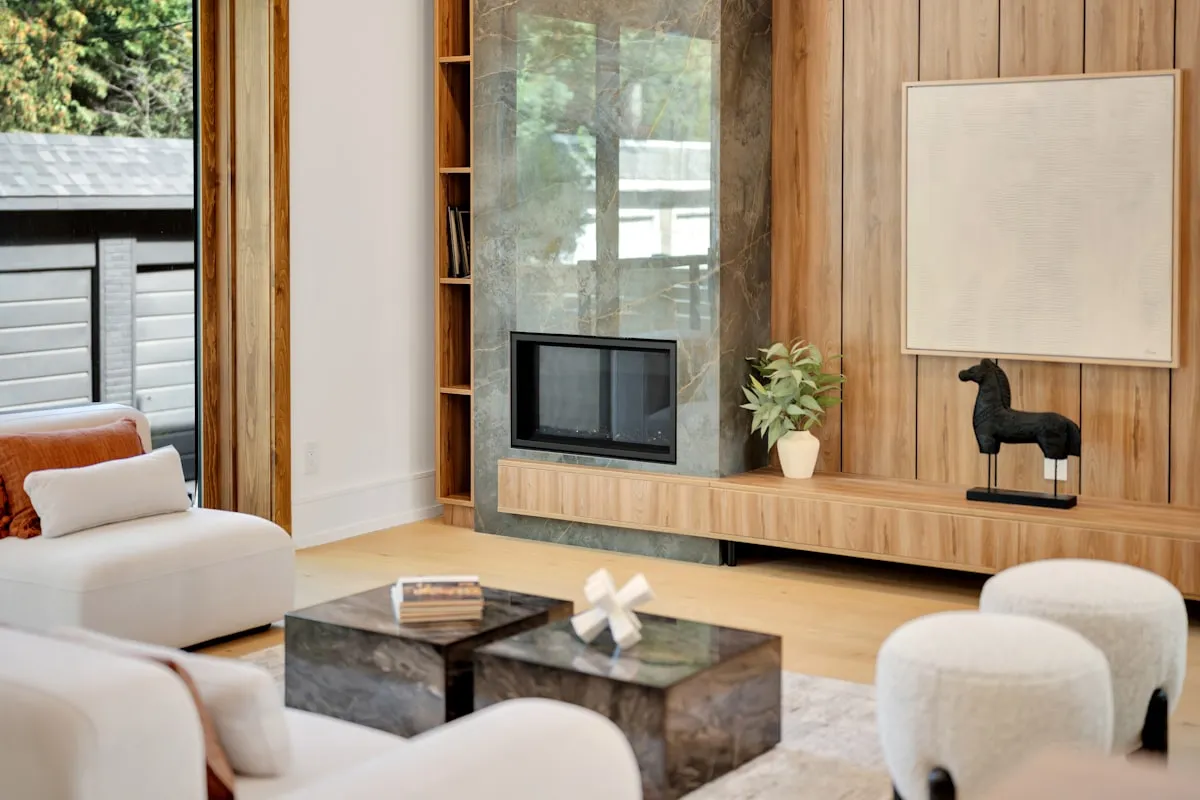
Empty rooms photograph poorly. That’s not an opinion,it’s backed by data. Vacant listings sit on the market longer, receive fewer online views, and consistently sell for less than comparable staged properties. The problem is that most buyers can’t visualize potential. They see empty space and feel cold, confused about scale, and emotionally disconnected.
Physical staging solves this brilliantly, but it comes with a significant price tag,often $2,000 to $10,000 or more for a full home, plus logistics, scheduling, and the risk of damage. Virtual staging offers a compelling alternative, delivering 80% of the impact at 10% of the cost.
What Virtual Staging Actually Is
Virtual staging uses professional design software to digitally furnish and decorate photos of empty rooms. Done well, the result is indistinguishable from a real photograph of a furnished space. Done poorly, it looks like clip art dropped onto a floor plan.
The difference comes down to execution: realistic furniture models, accurate lighting and shadows, proper scale relative to the room, and design choices that feel aspirational without being unrealistic.
When Virtual Staging Makes Sense
Vacant properties. This is the primary use case. An empty living room photographed well is still just an empty room. A virtually staged living room tells a story,it shows buyers how the space can be lived in.
New construction. Homes that haven’t been lived in yet benefit enormously from staging that helps buyers see beyond raw finishes and builder-grade fixtures.
Investment properties and flips. When the math doesn’t justify physical staging, virtual staging provides a cost-effective way to maximize sale price without eating into margins.
Rental units. Landlords marketing vacant apartments can use virtual staging to reduce vacancy time and attract higher-quality tenants.
When to Skip It
Already furnished homes. If the home is occupied and well-decorated, photograph what’s there. Trying to virtually replace existing furniture creates a confusing disconnect.
Heavily damaged or outdated spaces. Virtual staging can furnish a room, but it can’t fix peeling paint, stained carpets, or dated tile. If the space needs renovation, be honest,buyers will see through cosmetic digital fixes instantly.
How to Get the Best Results
Start with excellent photography. Virtual staging is only as good as the base image. Proper exposure, wide angles, and clean lines give the staging artists the foundation they need.
Choose realistic furniture. The pieces should match the home’s style and price point. A modern minimalist condo shouldn’t be staged with farmhouse furniture, and a classic brownstone shouldn’t get a tech-startup aesthetic.
Maintain consistent style. Every room should feel like it belongs to the same home. Random style changes from room to room break the illusion and confuse buyers.
Always disclose. MLS rules and fair housing regulations require that virtually staged photos be clearly labeled. This isn’t just legal compliance,it builds trust. Buyers who feel deceived become buyers who walk away.
The Numbers
The National Association of Realtors reports that staged homes sell up to 73% faster than non-staged homes. Virtual staging typically costs between $25 and $75 per image, compared to thousands for physical staging. For agents handling multiple listings simultaneously, the math is clear.
Need virtual staging for your next listing? DYD Productions offers photorealistic virtual staging that transforms vacant properties into aspirational homes. Pair it with our photography for the strongest possible listing presentation.