Selling a Brooklyn brownstone requires a specialized approach that differs significantly from listing a condo or co-op apartment. The brownstone market is defined by limited supply, strong family demand, and dramatic price variation by block, condition, and configuration. Most of Brooklyn’s brownstones were built between 1860 and 1920, and no new ones are being constructed. That scarcity, combined with the lifestyle appeal of owning a full townhouse in the city, means a well-marketed brownstone will attract serious buyers. But pricing it wrong or presenting it poorly can cost your seller hundreds of thousands of dollars.
Understanding What Drives Brownstone Value
Brooklyn brownstone pricing is more nuanced than apartment pricing because every house is different. Two brownstones on the same block can vary by $500,000 or more depending on a handful of key factors.
Lot size is the starting point. The standard Brooklyn lot is 20 feet wide by 100 feet deep, but many brownstones sit on wider or narrower lots. A 25-foot-wide brownstone commands a significant premium because it provides larger rooms, wider hallways, and a grander facade. Lots that are deeper than 100 feet offer more garden space, which is highly valued by families.
Number of floors directly impacts usable square footage and income potential. A four-story brownstone with a basement level offers 4,000 to 5,000 square feet of living space. A three-story walk-up with no basement offers 2,400 to 3,200 square feet. Each additional floor adds both value and complexity in terms of layout and stairs.
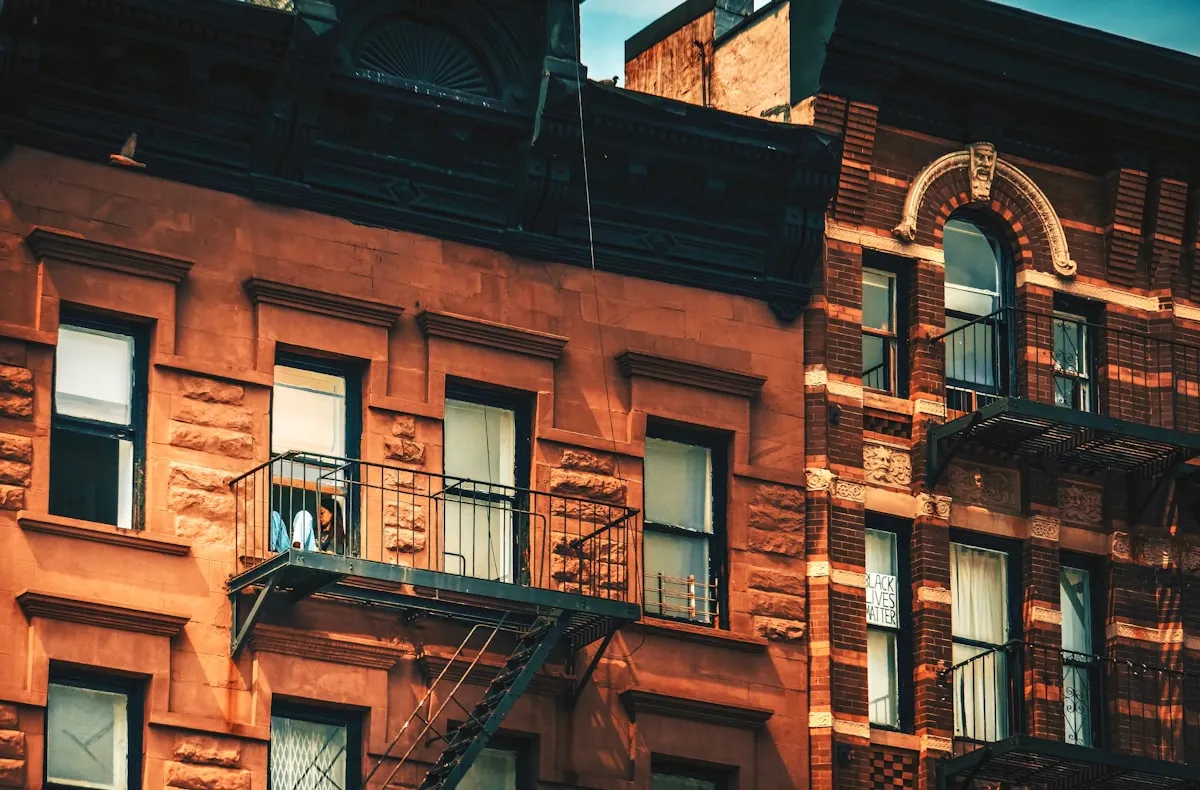
Facade condition matters more than many agents realize. A brownstone with an intact original facade, including the stoop, cornices, and window lintels, signals that the property has been well maintained. A facade that has been stuccoed over, painted, or shows signs of deterioration raises red flags about deferred maintenance. Facade restoration can cost $50,000 to $150,000, and buyers factor that into their offers.
Original architectural details are a major selling point. Intact mantels, ceiling medallions, pocket doors, plaster moldings, wide-plank floors, and original newel posts all increase value. Buyers seeking brownstones specifically want these period features. A brownstone that has been stripped of its original details and modernized with sheetrock and drop ceilings will sell for less than one that preserves its character.
Pricing by Brooklyn Neighborhood
Brownstone prices vary enormously across Brooklyn, and agents need to set expectations based on hyper-local comparables. Here are current price ranges by neighborhood for a standard 20-foot-wide brownstone in average to good condition.
Park Slope: $2.5 million to $5 million and above. The prime blocks between 1st and 4th Streets, Prospect Park West to 7th Avenue, command the highest prices. Larger brownstones on the park blocks can exceed $6 million. For deeper insight into this neighborhood, see our Park Slope real estate guide.
Fort Greene and Clinton Hill: $2 million to $4 million. These neighborhoods have seen strong appreciation over the past decade, driven by excellent transit access, restaurants, and proximity to Downtown Brooklyn. Brownstones near Fort Greene Park command premiums of 10% to 15% over comparable properties a few blocks away.
Bed-Stuy: $1.2 million to $2.5 million. Bed-Stuy offers one of the widest price ranges in Brooklyn because of the neighborhood’s size and block-by-block variation. Brownstones on tree-lined blocks near the Stuyvesant Heights historic district sell at the higher end, while properties on busier commercial corridors or blocks with more deferred maintenance sell for less. Our Bed-Stuy real estate guide covers the neighborhood in detail.
Crown Heights: $1.3 million to $2.5 million. Crown Heights brownstones have appreciated rapidly, with prices nearly doubling in some sections between 2015 and 2025. Proximity to the 2/3/4/5 trains and Eastern Parkway drives the premium here.
Prospect Heights: $2.2 million to $3.8 million. Smaller inventory and proximity to both Prospect Park and the Barclays Center keep prices high in this tight-knit neighborhood.
Bushwick: $900,000 to $1.8 million. Bushwick offers the most affordable brownstone entry point, attracting buyers who are willing to take on renovation projects in exchange for a lower purchase price.
Marketing Strategy: Photography, Floor Plans, and Video
Marketing a brownstone is not the same as marketing a one-bedroom apartment. The property has multiple floors, a facade, a garden, and architectural details that need to be showcased individually. Professional photography is non-negotiable. The stoop shot is the hero image of any brownstone listing, and it needs to be perfect.
Hire a photographer who understands brownstone architecture. You need wide-angle interior shots that capture the depth of parlor-floor rooms, detail shots of original mantels and moldings, and exterior images that highlight the facade, stoop, and garden. Shooting on a day with good natural light is essential because brownstone interiors depend on window light to feel warm and inviting. Professional real estate photography makes the difference between a listing that stops the scroll and one that gets passed over.
Floor plans are critical for brownstones because buyers need to understand the layout of each level. A brownstone might have a garden-level rental unit, a parlor floor with 11-foot ceilings, two upper bedroom floors, and a roof deck. Without a clear floor plan showing all levels, buyers can’t mentally organize the space. Include square footage per floor and total square footage on the plan.
Video walkthroughs are highly effective for brownstones because they convey the flow between floors and the feeling of moving through the home in a way that photos cannot. A 2-to-3-minute video that starts at the stoop, moves through each floor, and ends in the garden gives remote buyers enough information to decide whether to schedule an in-person visit. According to the National Association of Realtors, listings with video receive 403% more inquiries than listings without.
Staging a Brownstone: Highlight the Character
Staging a brownstone requires a different philosophy than staging a modern condo. The goal is to emphasize period details and character, not to create a minimalist showroom.
Keep the color palette warm and grounded. Rich wall colors (deep greens, warm grays, muted blues) complement brownstone architecture. Stark white walls and ultra-modern furniture clash with the home’s character and can make it feel cold. Buyers who seek brownstones want to imagine a life that embraces the home’s history, not one that fights against it.
Furnish the parlor floor generously. This is the showpiece level, typically featuring the highest ceilings (10 to 12 feet), the best natural light, and the most ornate architectural details. A well-staged parlor floor with a large dining table, comfortable seating, and art that complements the space makes an immediate emotional impact.
Stage the garden as an outdoor room. Brooklyn brownstone gardens are typically 20 feet wide and 15 to 30 feet deep. Add a dining table, chairs, potted plants, and string lights. For families, the private garden is often the single most compelling feature of a brownstone, more persuasive than any interior room.
Don’t hide the original details. If the home has exposed brick, built-in bookshelves, or a working fireplace, make them focal points. Remove any furniture or decor that blocks sight lines to these features. Buyers are paying a premium for period character, so every element of the staging should draw attention to it.
Common Issues: Landmarks, DOB Violations, and C of O Problems
Brooklyn brownstones come with potential complications that agents must identify before listing. Discovering these issues after going to contract can delay or kill a deal.
Landmark district restrictions apply to brownstones in designated historic districts, including Fort Greene, Clinton Hill, Park Slope, Stuyvesant Heights, and many others. Properties in these districts require approval from the Landmarks Preservation Commission (LPC) for any exterior changes, including windows, doors, stoops, fences, and facade materials. Even paint color changes on the facade may require a permit. Buyers should understand that renovations will be more expensive and time-consuming in landmark districts. Approximately 35% of Brooklyn’s brownstone-heavy neighborhoods fall within designated historic districts.
Department of Buildings (DOB) violations are common on brownstones, especially those that have undergone past renovations. Check the DOB’s Building Information System (BIS) for open violations before listing. Common issues include work without a permit, illegal conversions, and expired permits. Open violations can complicate or prevent a sale, particularly if the buyer’s lender requires them to be cleared before closing.
Certificate of Occupancy (C of O) discrepancies are perhaps the most significant issue in the brownstone market. Many Brooklyn brownstones were originally built as single-family homes and later converted to two-family or three-family configurations without updating the Certificate of Occupancy. A brownstone listed as a two-family that has a C of O for single-family occupancy creates legal, insurance, and financing problems. Approximately 25% to 30% of brownstones on the market have some form of C of O discrepancy, according to industry estimates.
Agents should pull the property’s C of O and compare it to the actual use before listing. If there’s a discrepancy, consult with the seller’s attorney about the options: legalize the configuration (which may require architectural plans and DOB approval), revert to the legal configuration, or disclose the issue and price accordingly.
The Multi-Family Angle: Selling the Income Potential
Many Brooklyn brownstones are configured as multi-family properties, and the income potential is a powerful selling point for a specific buyer pool.
The classic configuration is owner-occupied upper floors with a garden-level rental apartment. A garden apartment in a prime Brooklyn neighborhood can generate $2,500 to $4,500 per month in rental income, depending on size, condition, and location. That’s $30,000 to $54,000 annually, which significantly offsets the mortgage payment.
When marketing a multi-family brownstone, present the numbers clearly. Show the gross rental income, subtract estimated expenses (maintenance, insurance, vacancy, etc.), and present the net income alongside the mortgage payment. Buyers who can see that their effective housing cost after rental income is $3,000 to $5,000 per month rather than $8,000 to $12,000 per month become much more motivated.
Legal multi-family status is essential. A brownstone with a legal two-family C of O and a conforming garden apartment is far more valuable than one with an illegal rental unit. Legal units can be advertised on the open rental market, covered by landlord insurance, and factored into mortgage qualification by the buyer’s lender. Illegal units carry risk and cannot be used to qualify for financing.
Include the rental history in your listing package. If the current garden tenant pays $3,200 per month and has been there for three years, that’s a track record of stable income. Provide copies of the lease (with tenant approval) and rental payment history to serious buyers.
Renovation Potential as a Selling Point
Not every brownstone is in turnkey condition, and that’s perfectly fine. Renovation potential is itself a selling point for the right buyer, provided you position it correctly.
Buyers who purchase brownstones needing work typically fall into two categories: (1) those who want to customize the home to their taste, and (2) investors or owner-occupants looking to add value through renovation. For the first group, emphasize the blank canvas. For the second, provide renovation cost estimates and after-renovation value (ARV) projections.
Typical renovation costs for Brooklyn brownstones in 2025 range from $200 to $350 per square foot for a full gut renovation, depending on the scope and quality of finishes. A 4,000-square-foot brownstone gut renovation costs $800,000 to $1.4 million. Partial renovations (kitchen, bathrooms, systems upgrades) run $150,000 to $400,000.
Agent tip: partner with a contractor who specializes in brownstone renovations and can provide ballpark estimates for common projects. When a buyer at a showing asks “What would it cost to redo the kitchen and add a bathroom on the top floor?”, having a credible answer ready (rather than a vague “it depends”) demonstrates expertise and moves the conversation forward.
Properties with DOB-approved plans already in place are particularly attractive to renovation-minded buyers. If the seller has architectural plans for an expansion, addition, or reconfiguration that have been approved but not executed, include those plans in the marketing materials. Approved plans save the buyer 3 to 6 months of lead time and thousands of dollars in architectural and expediting fees.
Closing the Sale: What to Expect
Brownstone sales in Brooklyn typically take 90 to 120 days from listing to closing, though well-priced properties in prime neighborhoods can move faster. The timeline is driven by several factors unique to townhouse transactions.
Appraisals can be challenging because comparable sales are less uniform than in apartment buildings. No two brownstones are identical, so appraisers must make significant adjustments for differences in lot size, condition, floor count, and configuration. Agents should prepare a detailed comparable analysis for the appraiser, highlighting the specific features that justify the contract price.
Title searches on brownstones often uncover more issues than apartment transactions. Old liens, boundary disputes, easements, and historical deed restrictions are all more common with properties that have changed hands over 100+ years. Budget extra time for title clearance.
Inspections are more extensive and more critical than in apartment purchases. A brownstone inspection covers the roof, facade, structural elements, plumbing, electrical, heating systems, and foundation. Issues like a failing sewer line ($15,000 to $50,000 to replace) or a deteriorating roof ($30,000 to $60,000) can become negotiation points that affect the final sale price.
Selling a Brooklyn brownstone is one of the most rewarding listing assignments an agent can take on. The properties are unique, the buyers are passionate, and the commissions reflect the high price points. Master the details covered in this guide, invest in the right marketing (especially professional photography and detailed floor plans), and you’ll build a reputation as the go-to brownstone agent in your market.