Williamsburg has undergone one of the most dramatic real estate transformations in New York City history, evolving from an industrial and artist enclave into one of Brooklyn’s most expensive and sought-after neighborhoods. For agents, this means a fast-moving market with luxury inventory, demanding buyers, and intense competition. This guide breaks down everything you need to know: boundaries, housing stock, pricing, buyer demographics, challenges, and the listing strategies that actually work here. Median condo prices currently sit between $1.1 million and $1.5 million, with new waterfront developments pushing well beyond $3 million for premium units.
Williamsburg Boundaries and Internal Geography
Williamsburg is bounded roughly by the BQE (Brooklyn-Queens Expressway) to the south and west, Flushing Avenue to the south, Bushwick Avenue to the east, and Newtown Creek (the Greenpoint border) to the north. Within those boundaries, the neighborhood breaks into distinct sub-areas that agents must understand.
The Waterfront (west of Wythe Avenue to the East River) is the luxury core. This is where the major new developments have concentrated, including buildings like 420 Kent, The Oosten, 325 Kent, and One South First. Pricing here is the highest in the neighborhood, and the buyer profile skews toward high-income professionals and investors.
North Williamsburg (roughly north of Grand Street to the Greenpoint border) is the heart of the restaurant, bar, and nightlife scene. Bedford Avenue is the commercial spine. Housing here is a mix of older walk-ups, converted lofts, and some newer mid-rise condos. Prices are high but slightly below the waterfront.
South Williamsburg (south of the Williamsburg Bridge, extending toward Flushing Avenue) has a different character entirely. This area includes the Hasidic community, and the housing stock is more varied, with older multi-family buildings, some new development, and generally lower prices than North Williamsburg. Agents working this area need cultural sensitivity and familiarity with the community.
East Williamsburg (east of Union Avenue toward Bushwick Avenue) is the transitional zone. Former industrial spaces, artist studios, and newer residential conversions define the area. Pricing is more accessible, and this sub-neighborhood attracts buyers who want the Williamsburg address at a lower entry point. Price per square foot here runs approximately $800 to $1,000, compared to $1,200 to $1,500 on the waterfront.
Housing Stock: From Lofts to Luxury Towers
Williamsburg’s housing inventory is unlike any other Brooklyn neighborhood. The mix reflects the area’s layered history, and agents need to speak fluently about each type.
New luxury condos dominate the waterfront and are the most active segment of the market. Buildings like 420 Kent Avenue (with its pool and rooftop amenities), The Oosten (designed by Piet Boon), and One South First (60+ stories with Manhattan views) define the high end. These units feature modern finishes, floor-to-ceiling windows, condo-level amenities, and price tags to match. Two-bedroom units in these buildings typically trade between $1.5 million and $2.5 million, with penthouses and larger units exceeding $3 million.
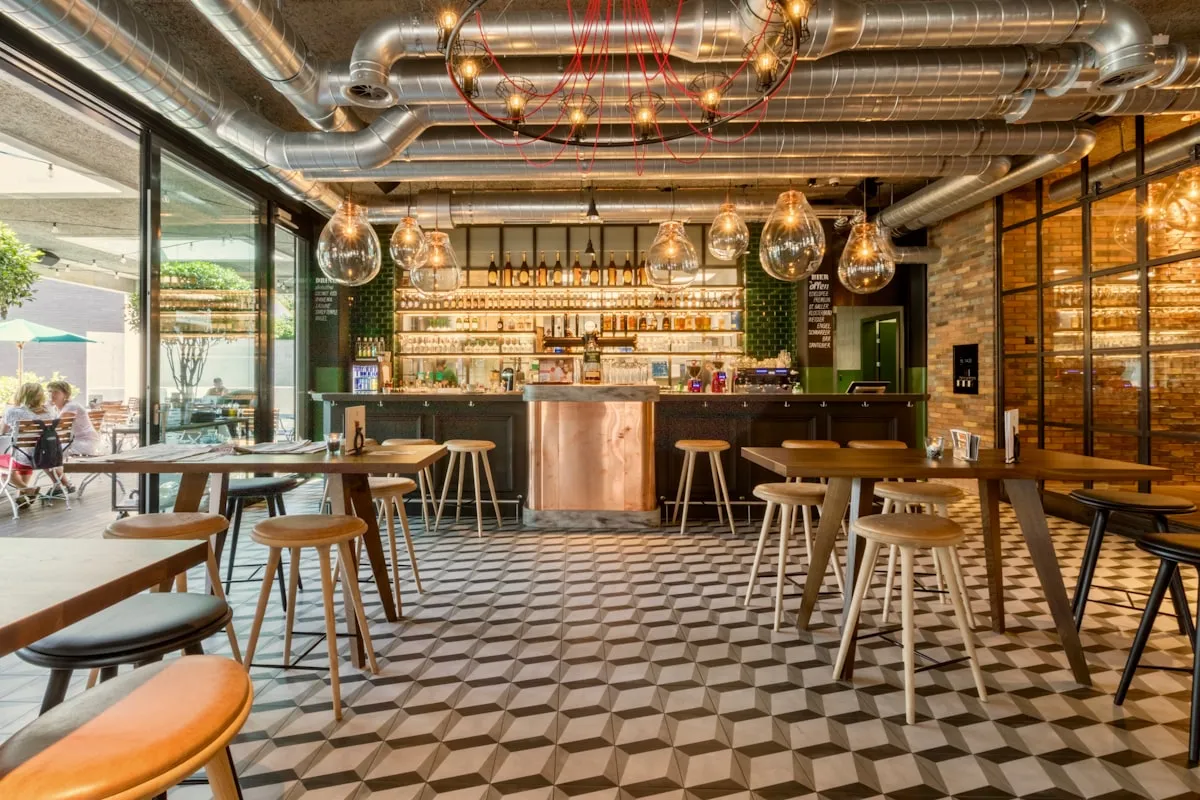
Converted lofts and warehouses are Williamsburg’s signature housing type. These conversions, common along Wythe, Berry, and Kent Avenues, offer the exposed brick, timber beams, oversized windows, and open floor plans that define the neighborhood’s aesthetic. Loft conversions are popular with creative professionals and design-conscious buyers. Many are in smaller buildings with 10 to 30 units and limited amenities, which keeps HOA fees lower than the big developments.
Walk-up rentals and older buildings still exist throughout North and South Williamsburg. Some of these have been converted to condos, while others remain as rental buildings. The remaining brownstone stock is limited, concentrated mainly near the southern edges of the neighborhood.
For agents comparing Williamsburg’s market to other Brooklyn neighborhoods, the neighborhood guide for agents offers a comprehensive overview of how each area stacks up.
Market Data: Pricing and Trends
Williamsburg’s market data tells a story of rapid appreciation and persistent demand. Here are the numbers agents should know.
Median condo price across all of Williamsburg sits at approximately $1.1 million to $1.5 million. However, this median masks significant variation. A one-bedroom in an older conversion might trade at $750,000, while a comparable-sized unit in a new waterfront building commands $1.2 million or more.
New development waterfront units range from $1.5 million to $3 million or higher. Price per square foot in these buildings runs $1,200 to $1,500, placing them among the most expensive residential real estate in Brooklyn. For context, this per-square-foot pricing is competitive with parts of Manhattan’s Lower East Side and Tribeca.
Days on market average approximately 50 to 70 days for resale condos and somewhat longer for new development sponsor units, which often have negotiation flexibility built into their pricing. The spring market (March through June) tends to move fastest, while inventory accumulates in winter months.
Rental market context matters because many Williamsburg buyers are converting from renters. Average one-bedroom rents in Williamsburg run $3,500 to $4,500 per month, and two-bedrooms range from $4,500 to $6,500. When you can show a buyer that their monthly mortgage payment (with 20% down) is comparable to or less than their rent, the ownership argument makes itself.
Key Selling Points for Williamsburg Listings
Williamsburg has distinct selling points that resonate with its buyer pool. Agents should weave these into every listing description, buyer tour, and marketing piece.
Waterfront parks have transformed the neighborhood’s livability. Domino Park (on the site of the former Domino Sugar Refinery) is the centerpiece, offering green space, playgrounds, and stunning Manhattan skyline views. Marsha P. Johnson State Park (formerly East River State Park) provides additional waterfront access. These parks are a direct answer to the common objection that Williamsburg lacks green space.
The restaurant and nightlife scene is among the best in New York City. From Michelin-recognized restaurants to casual taco spots, the dining options along Bedford Avenue, Wythe Avenue, and Berry Street are a genuine lifestyle amenity. For buyers relocating from Manhattan, the ability to walk to 200+ restaurants within a 10-minute radius is a powerful selling point.
Transit access is strong, anchored by the L train. Bedford Avenue station is one stop from 14th Street/Union Square in Manhattan, making it one of the fastest commutes in Brooklyn. The J/M/Z trains serve the southern portion of the neighborhood, and the NYC Ferry operates from both North Williamsburg and South Williamsburg stops, providing a scenic alternative route to Manhattan. The ferry is especially appealing to buyers working in Midtown East or the Financial District.
The creative and cultural identity still resonates. Despite the luxury development, Williamsburg retains galleries, music venues, independent boutiques, and a creative energy that distinguishes it from more traditional Brooklyn neighborhoods. This identity matters to buyers who see their neighborhood as an extension of their personal brand.
Buyer Demographics: Who Is Buying in Williamsburg
Understanding who buys in Williamsburg helps agents target their marketing and tailor their client conversations.
Young professionals aged 28 to 40 represent the largest buyer segment. These are typically high-earning individuals or couples in tech, finance, media, and creative industries. Many are first-time buyers transitioning from renting in Williamsburg or Manhattan. They prioritize modern finishes, building amenities, and walkability over square footage. They are comfortable with smaller units (600 to 900 square feet for one-bedrooms) if the building and location are right.
Creative industry workers (designers, architects, photographers, media professionals) are drawn to loft conversions and the neighborhood’s cultural identity. This group tends to prioritize character and aesthetics over building amenities. They want exposed brick, natural light, and flexible layouts more than a doorman and a gym.
Young families are a growing segment, though still smaller than in Park Slope or Carroll Gardens. The arrival of better grocery options, parks, and family-friendly restaurants has made Williamsburg viable for families with children under five. Schools remain a weaker selling point compared to other Brooklyn neighborhoods, which is worth addressing honestly with family buyers.
Investors are active in Williamsburg, particularly for new development condos with strong rental potential. A well-located one-bedroom can generate $3,500 to $4,500 per month in rental income, and the neighborhood’s desirability among renters provides consistent occupancy. Agents working with investors should be prepared to discuss cap rates, rental comps, and the tax implications of investment properties.
For strategies on positioning high-end Williamsburg listings, the luxury listing marketing guide covers approaches that apply directly to this market.
Challenges Agents Must Navigate
Williamsburg presents specific challenges that can derail deals if agents are not prepared.
Noise in entertainment districts is a common buyer concern, especially for properties along Bedford Avenue, Berry Street, and near popular nightlife venues. Weekend noise levels can be significant, and buyers who are not prepared for this reality may back out after spending a Saturday night at the property. Smart agents schedule showings at different times of day, including evenings and weekends, so buyers experience the neighborhood honestly.
L train reliability has been a recurring concern since the partial shutdown scare of 2019. While the L train is currently running normally and the tunnel repairs were completed, the memory of potential service disruption lingers. Buyers may raise this concern, and agents should be prepared with the facts: the tunnel rehabilitation was completed, service has been stable, and the alternative transit options (J/M/Z, ferry, buses) provide redundancy.
High HOA fees in new developments catch many buyers off guard. Monthly common charges in waterfront buildings typically run $0.80 to $1.50 per square foot per month, meaning a 1,000-square-foot unit could carry $800 to $1,500 in monthly HOA fees alone. When you add this to the mortgage payment and property taxes, the total monthly carrying cost can be substantially higher than buyers expect. Agents should present the full carrying cost picture early in the search process to avoid sticker shock.
Tax abatement expirations affect several Williamsburg developments that received 421-a or similar tax incentives during construction. When these abatements expire, property taxes can increase dramatically. Agents must check the abatement status and expiration timeline for every new development listing and communicate this clearly to buyers. A unit that appears affordable based on current taxes may become significantly more expensive when the full tax burden kicks in.
Photography and Visual Marketing for Williamsburg
Williamsburg’s aesthetic demands photography that captures the neighborhood’s unique character. Standard real estate photography will not cut it here. Buyers are visually sophisticated, and the competition for attention on listing platforms is fierce.
Rooftop views are among the most powerful images you can capture. Many Williamsburg buildings offer Manhattan skyline views from rooftop terraces or higher-floor units. These shots should feature the skyline (especially the Williamsburg Bridge and Lower Manhattan) at either golden hour or twilight. A single strong rooftop image can stop a buyer mid-scroll and drive a showing request.
Waterfront and Manhattan skyline backdrops should be incorporated into exterior photography whenever possible. Even if the listing is not directly on the waterfront, proximity to Domino Park or the East River walkway is a selling point. Including lifestyle shots that show the waterfront context elevates the listing’s appeal.
Industrial-chic interiors require a specific photographic approach. Loft spaces with exposed brick, concrete floors, and oversized windows need wide-angle lenses to convey the volume of the space, but also detail shots that highlight the texture and character of the materials. Lighting should be natural whenever possible, as these spaces are designed around their window light.
Building amenity photography matters more in Williamsburg than in most Brooklyn neighborhoods, because amenities are a core part of the value proposition in new developments. Pools, rooftop lounges, fitness centers, co-working spaces, and lobbies should all be photographed at their best. Investing in professional real estate photography is not a luxury in this market. It is a competitive necessity. Listings with professional imagery receive 118% more views online than those with standard photos, and in Williamsburg’s visual-first market, this translates directly to faster sales.
Building Your Williamsburg Business
Succeeding as an agent in Williamsburg requires understanding that this neighborhood operates differently from traditional Brooklyn markets.
Digital marketing is essential. Williamsburg buyers are online-first. They find properties through Instagram, targeted social media ads, real estate platforms, and agent websites long before they attend an open house. Your digital presence, including listing photography, video tours, and social media content, is your storefront. If your online presence does not match the sophistication of the neighborhood, buyers will scroll past.
New development relationships matter. A significant portion of Williamsburg inventory is in new developments with dedicated sales teams. Building relationships with these teams, attending broker opens, and staying current on new launches gives you early access to inventory and positions you as a knowledgeable resource for buyers.
Know the buildings. Williamsburg buyers often compare specific buildings against each other. They want to know the difference between 420 Kent and 325 Kent, or why The Oosten commands a premium over other waterfront options. Being able to discuss building-specific details (finishes, amenities, HOA structure, tax abatement status, resale performance) is what separates a Williamsburg expert from a generalist.
Attend community events and support local businesses. Despite its luxury market positioning, Williamsburg retains a community identity rooted in creativity and local culture. Sponsoring a local event, frequenting neighborhood restaurants, and engaging with the community builds the kind of organic visibility that paid advertising cannot replicate. The agents who win here are the ones who genuinely understand and appreciate what makes Williamsburg unique.